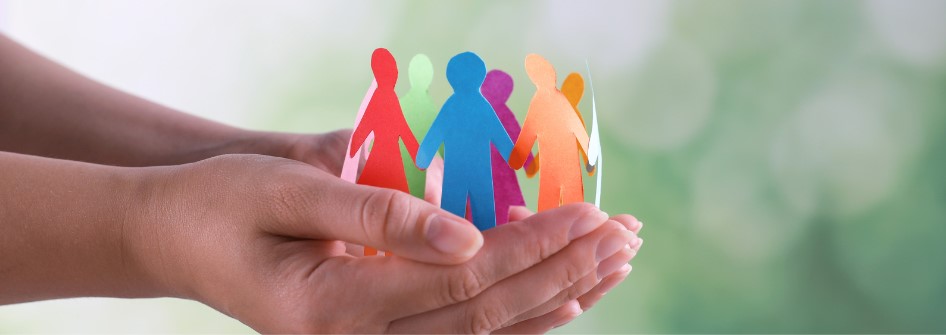
Gender and Diversity Tools
Inclusive Language Guidelines
- Encourage the use of gender-neutral language to avoid reinforcing gender stereotypes or biases.
- Suggest ways to address diverse gender identities and expressions respectfully and accurately in translations.
- Highlight the importance of considering cultural nuances and sensitivities related to gender and diversity in different languages and contexts.
Diversity Sensitivity Checklist
Create a checklist to review translated content for representation and inclusion of diverse perspectives, including but not limited to race, ethnicity, sexual orientation, age, ability, and socio-economic backgrounds.
Encourage translators to verify the accuracy and cultural relevance of terms and expressions related to diverse groups or identities.
Compose glossaries and guidelines, whenever possible.
Cultural Competency Training
- Offer resources or training modules to enhance translators’ cultural competency, emphasising the significance of understanding diverse cultural norms and values when translating crisis-related content.
- Incorporate case studies or scenarios that highlight the importance of inclusive language and cultural awareness in crisis translation.
Consultation with Affected Communities
- Encourage translators and crisis responders to engage with affected communities to better understand their preferences, language sensitivities, and diverse needs.
- Provide guidance on how to conduct inclusive consultations while respecting cultural protocols and ensuring representation from various community groups.
Feedback Instruments
- Establish a mechanism for ongoing feedback and improvement, enabling users to provide input on how language choices impact diverse communities during crisis situations.
- Emphasise the value of incorporating user feedback to continually refine and enhance the gender and diversity aspects of crisis translations.
Collaboration with Human Rights and Diversity Specialists
- Encourage collaboration with human rights and diversity specialists from international organisations, universities, NGOs, etc..
- Encourage collaboration with linguists, cultural advisors, community leaders, and individuals from marginalised or underrepresented groups, to inform and validate gender and diversity guidelines.
Translation biases in gender and diversity contexts include:
Gender bias in pronouns
Biased omission of honorifics or titles
Misrepresentation of cultural terms
Mistranslation of gender-related vocabulary
Neglecting inclusive language
Loss of contextual meaning